


Chez Wim
Landscape and Ecological Redevelopment of a Former Fish Pond Site near Philippeville
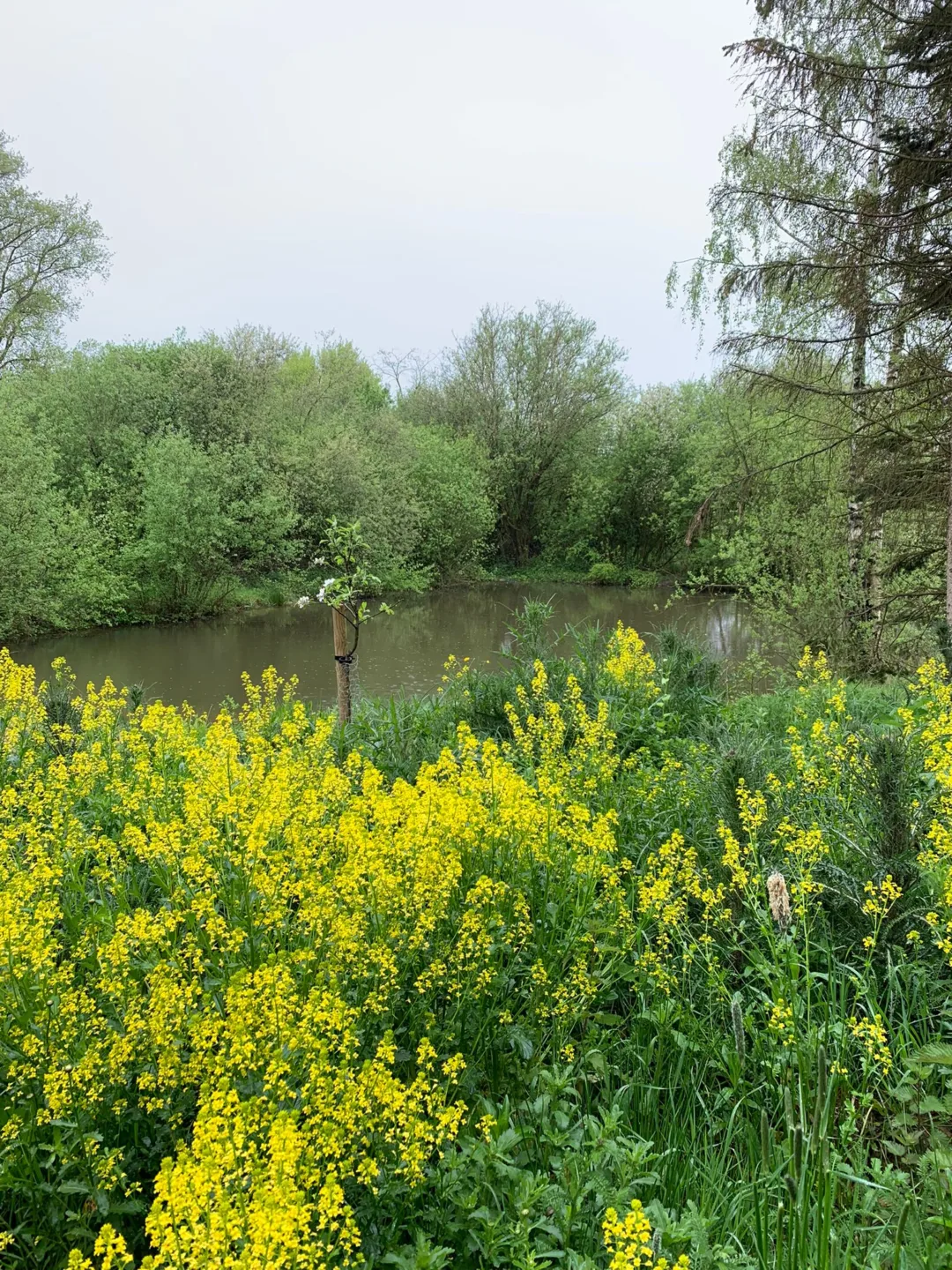
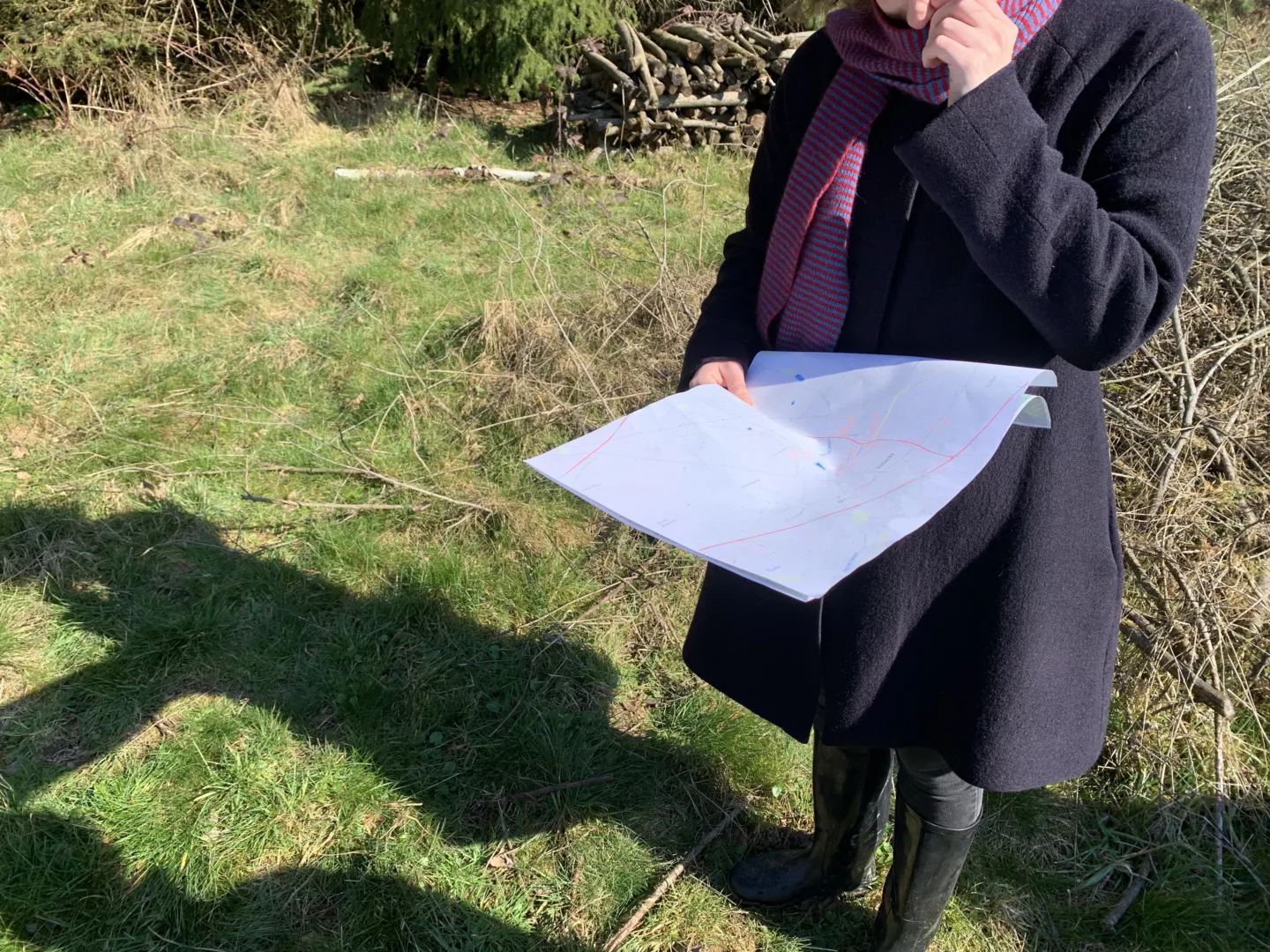
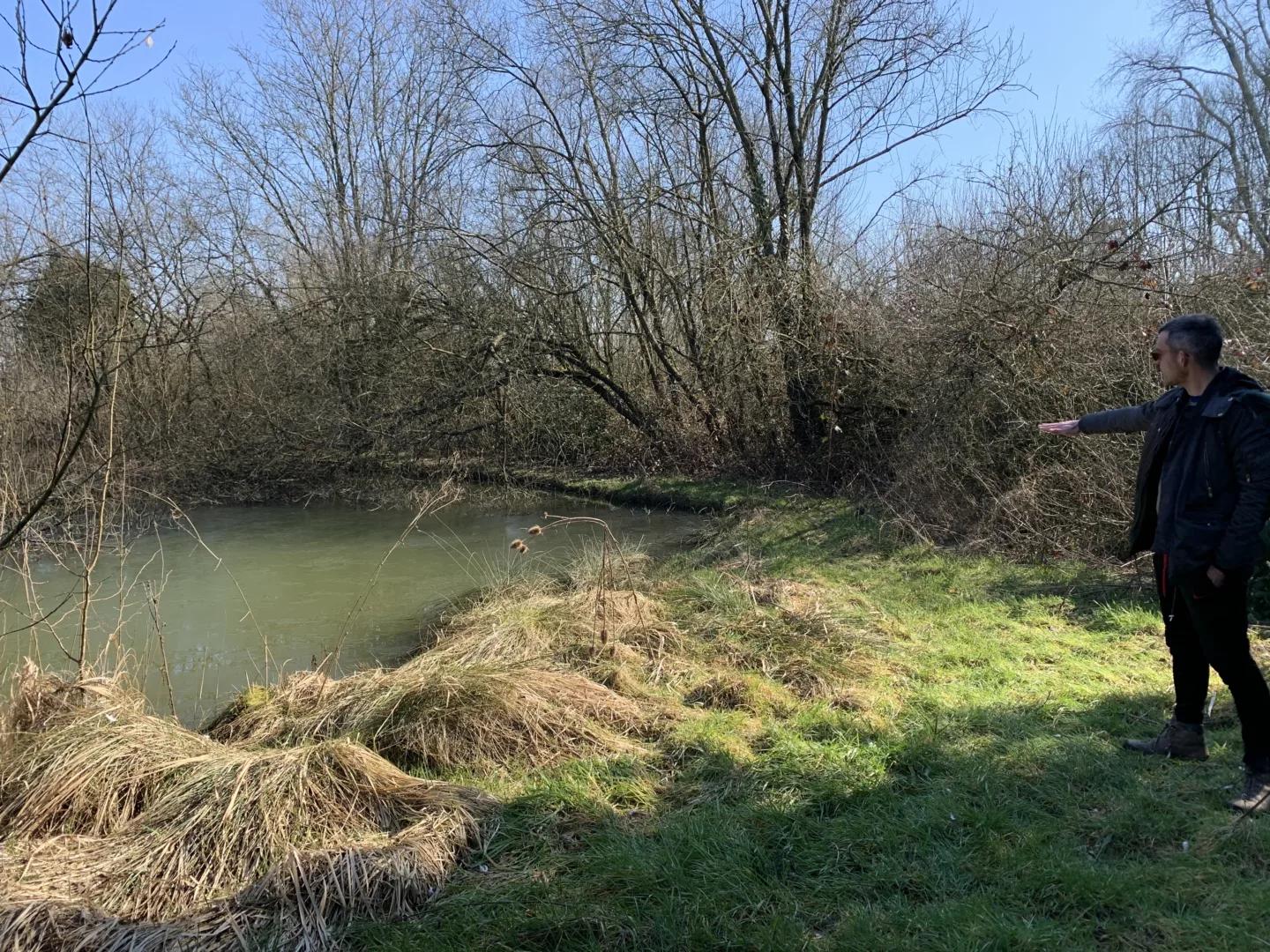
A landscape-ecological redevelopment project was implemented for a private client on a former fish pond site near Philippeville. The project is based on an integrated masterplan and a detailed spatial plan, aiming to both enhance existing natural values and integrate the area into the local green-blue network.
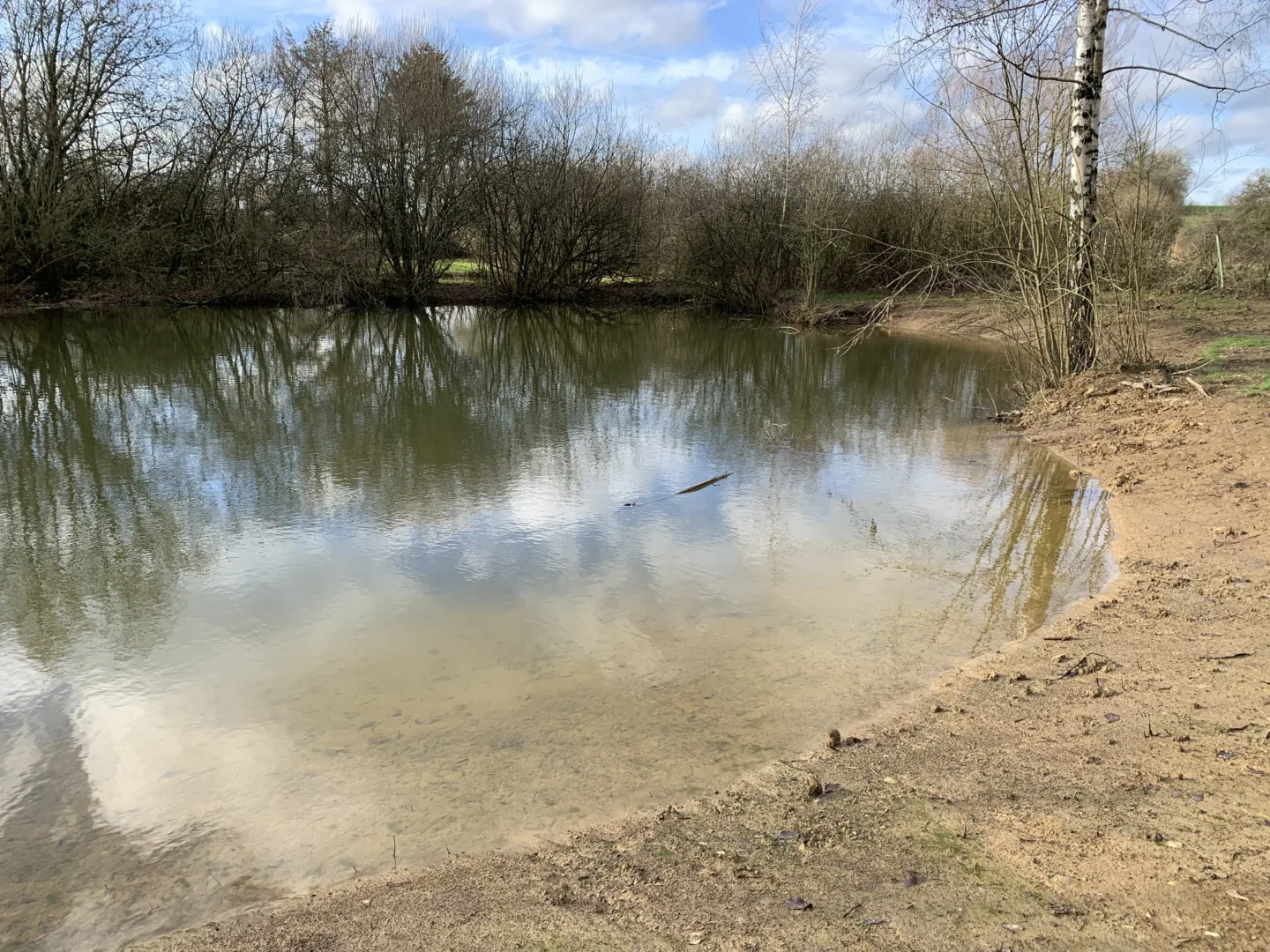
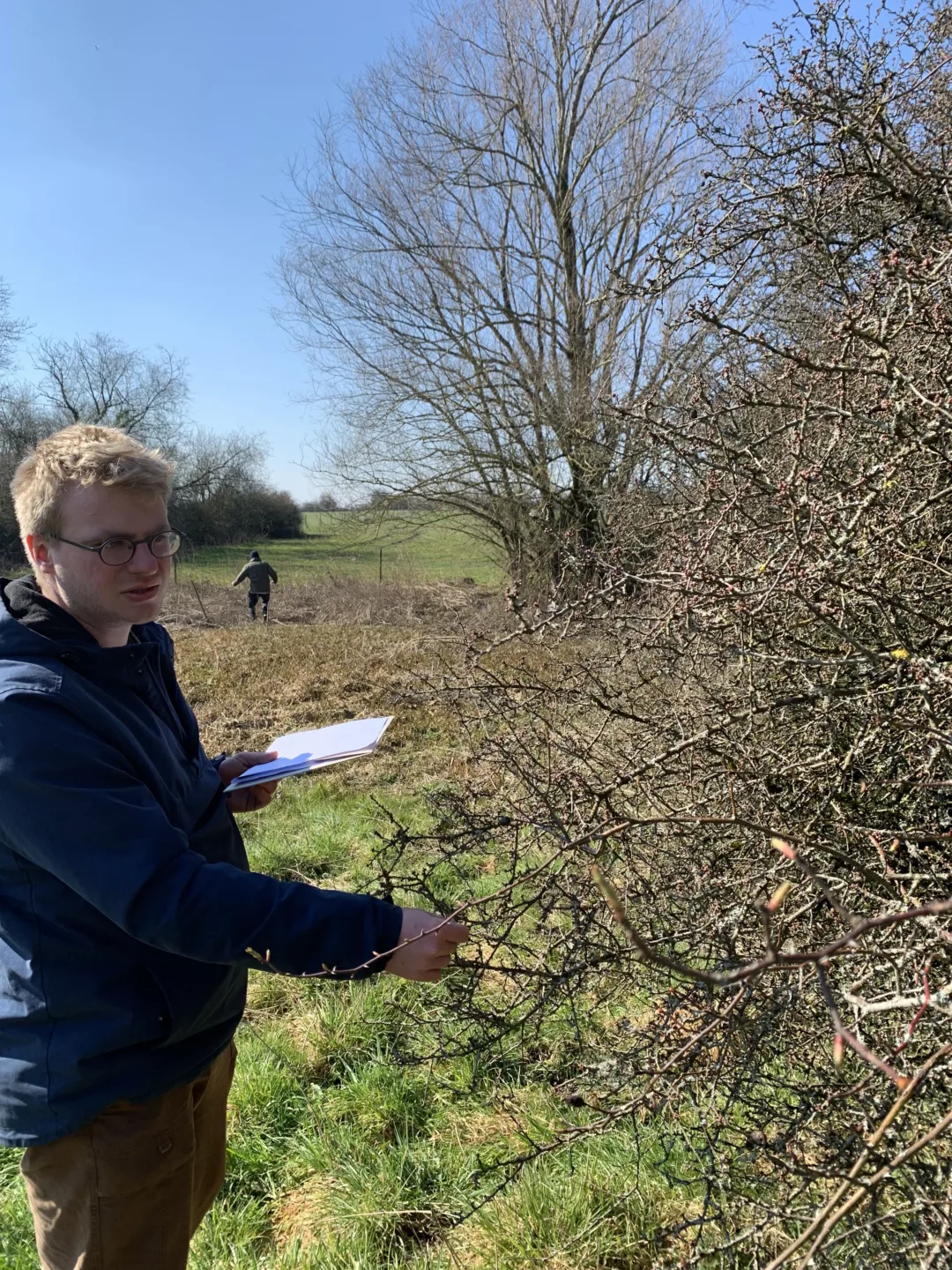
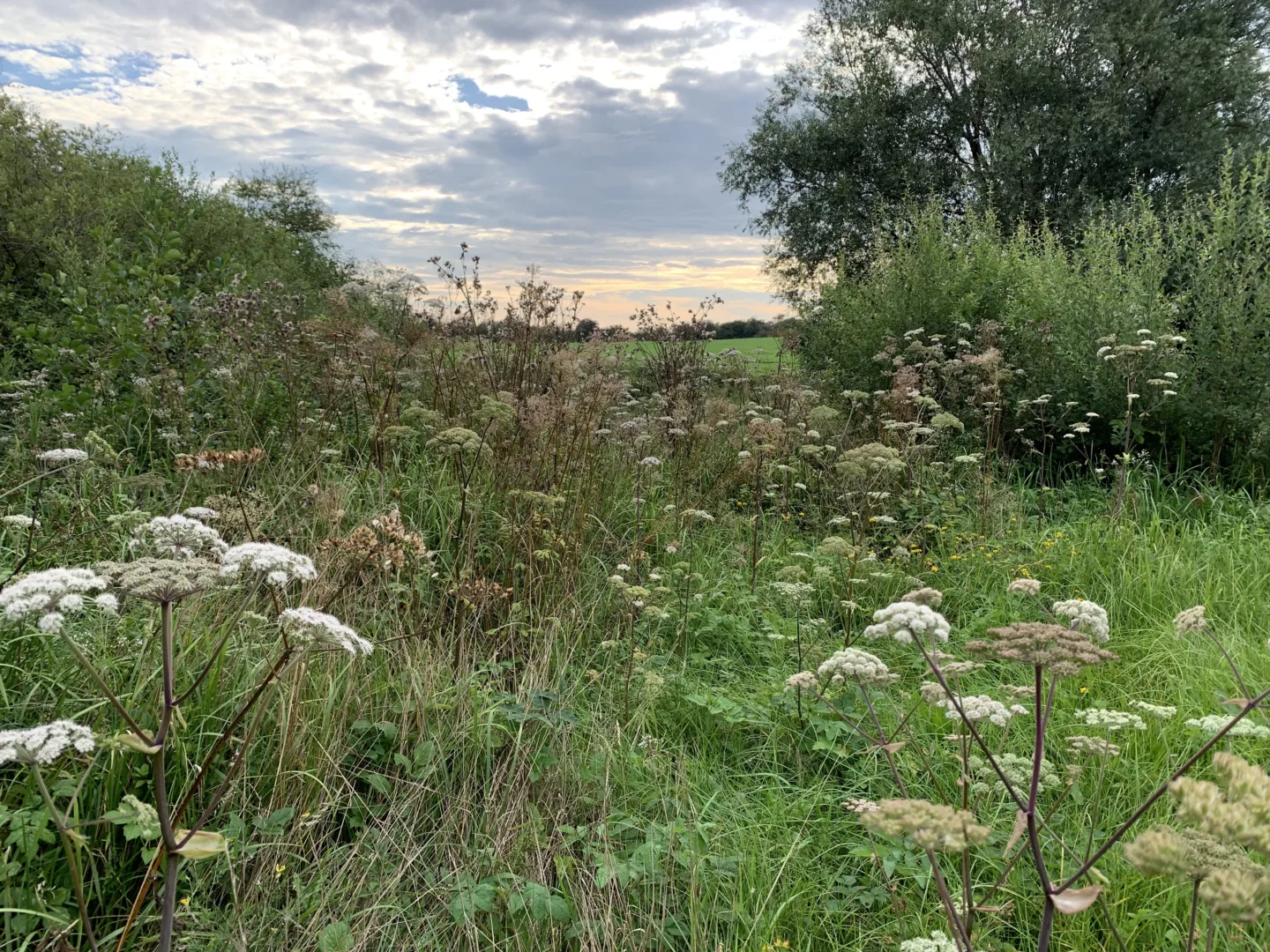
The interventions included the transformation of former fish ponds into biodiverse aquatic habitats; restructuring of existing hedges into ecologically valuable shrublands; conversion of pastureland into species-rich grasslands with gradual transitions to Meadowsweet (Filipendula ulmaria) wetland habitats; and the conversion of a degraded Norway spruce plantation into a multilayered forest and shrub complex. This diversification of habitats led to rapid ecological improvements, marked by a significant increase in aquatic biodiversity, floristic enrichment of grasslands, and the successful establishment of indicator species such as Nightingale (Luscinia megarhynchos), Lesser Whitethroat (Sylvia curruca), Yellowhammer (Emberiza citrinella), and Garden Warbler (Sylvia borin).
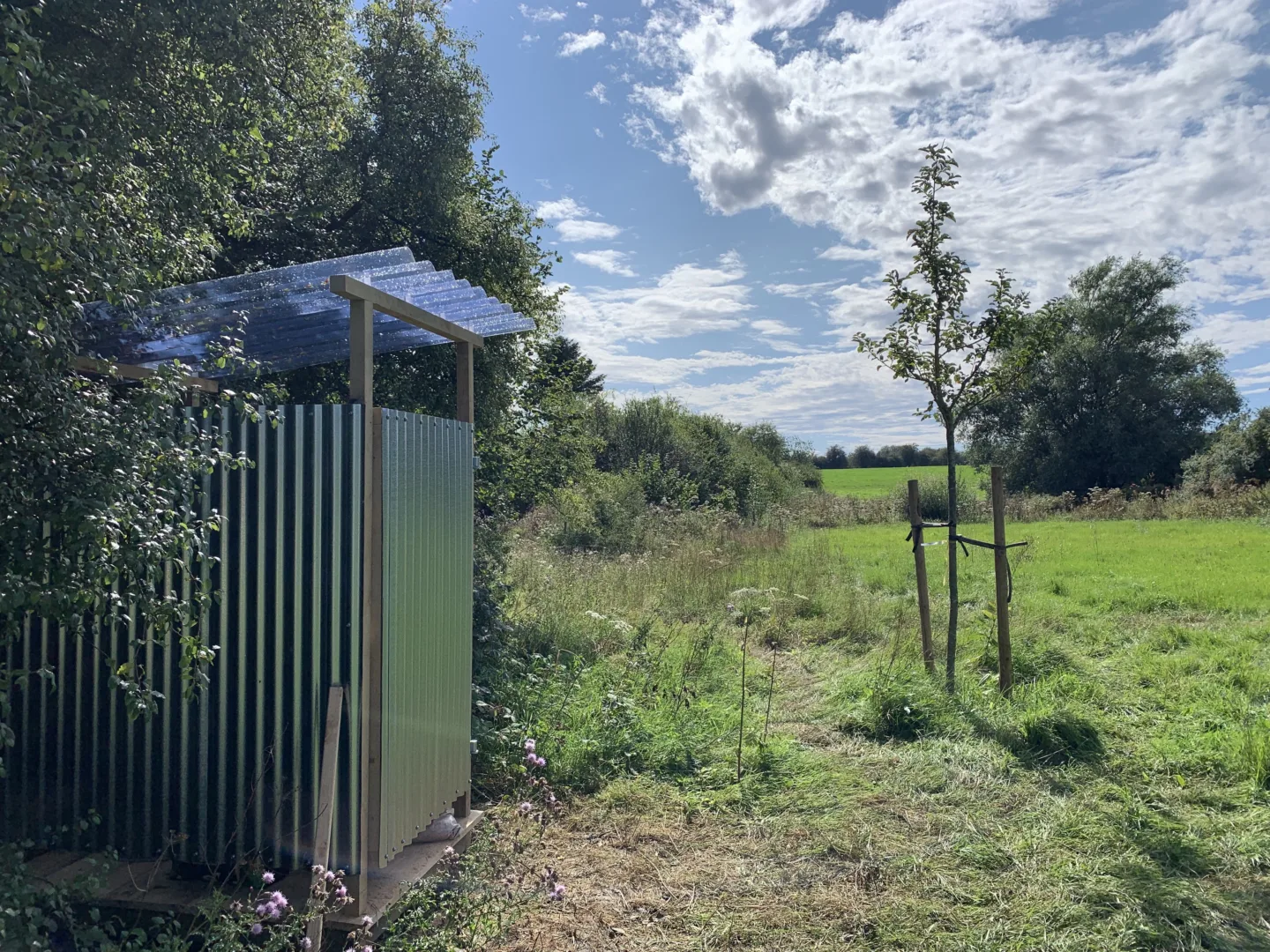
To support small-scale and temporary stays, discrete landscape installations were designed. A wooden pontoon on the water, a compost toilet, and an outdoor shower provide essential infrastructure with minimal ecological impact. All facilities were constructed from locally sourced, untreated oak wood, seamlessly integrated into the natural context. The project thus creates a setting where humans and nature coexist harmoniously without compromising the ecological integrity of the system.
Voor een particuliere natuurliefhebber werd een landschappelijk en ecologisch herontwikkelingsproject opgezet voor een voormalige visvijversite nabij Philippeville. Het project, gedragen door een masterplan en gedetailleerd inrichtingsplan, beoogt zowel de versterking van bestaande natuurwaarden als de verankering van het gebied binnen het lokale groen-blauwe netwerk.
De ingrepen omvatten de transformatie van de voormalige visvijvers tot biodiverse poelen met rijk aquatisch leven, de herstructurering van bestaande hagen tot ecologisch waardevol struweel, de omvorming van het weiland tot soortenrijk grasland met geleidelijke overgangen naar vochtige Moerasspirea-ruigtes, en het omzetten van een verarmde Fijnsparrenaanplant tot een meerlagig bos en struweelcomplex. Deze habitatdiversificatie leidde tot snelle ecologische resultaten: een sterke toename in aquatische biodiversiteit, floristische verrijking van de graslanden en succesvolle vestiging van soorten als Nachtegaal (Luscinia megarhynchos), Braamsluiper (Sylvia curruca), Geelgors (Emberiza citrinella) en Tuinfluiter (Sylvia borin).
Aanvullend werden discrete landschappelijke installaties ontworpen die de site bruikbaar maken voor kleinschalig en tijdelijk verblijf. Een houten ponton aan het water, een composttoilet en een buitendouche zorgen voor basis infrastructuur met minimale ecologische impact. Alle voorzieningen werden gerealiseerd in lokaal geoogst, onbehandeld eikenhout en sluiten naadloos aan bij de natuurlijke context. Het resultaat is een verblijfsplek waarin mens en natuur in harmonie samenkomen, zonder het ecosysteem te belasten.