
Earth Sea Pavilion
The Earth Sea Pavilion at the Bruges Triennale: A Geological and Ecological Layering
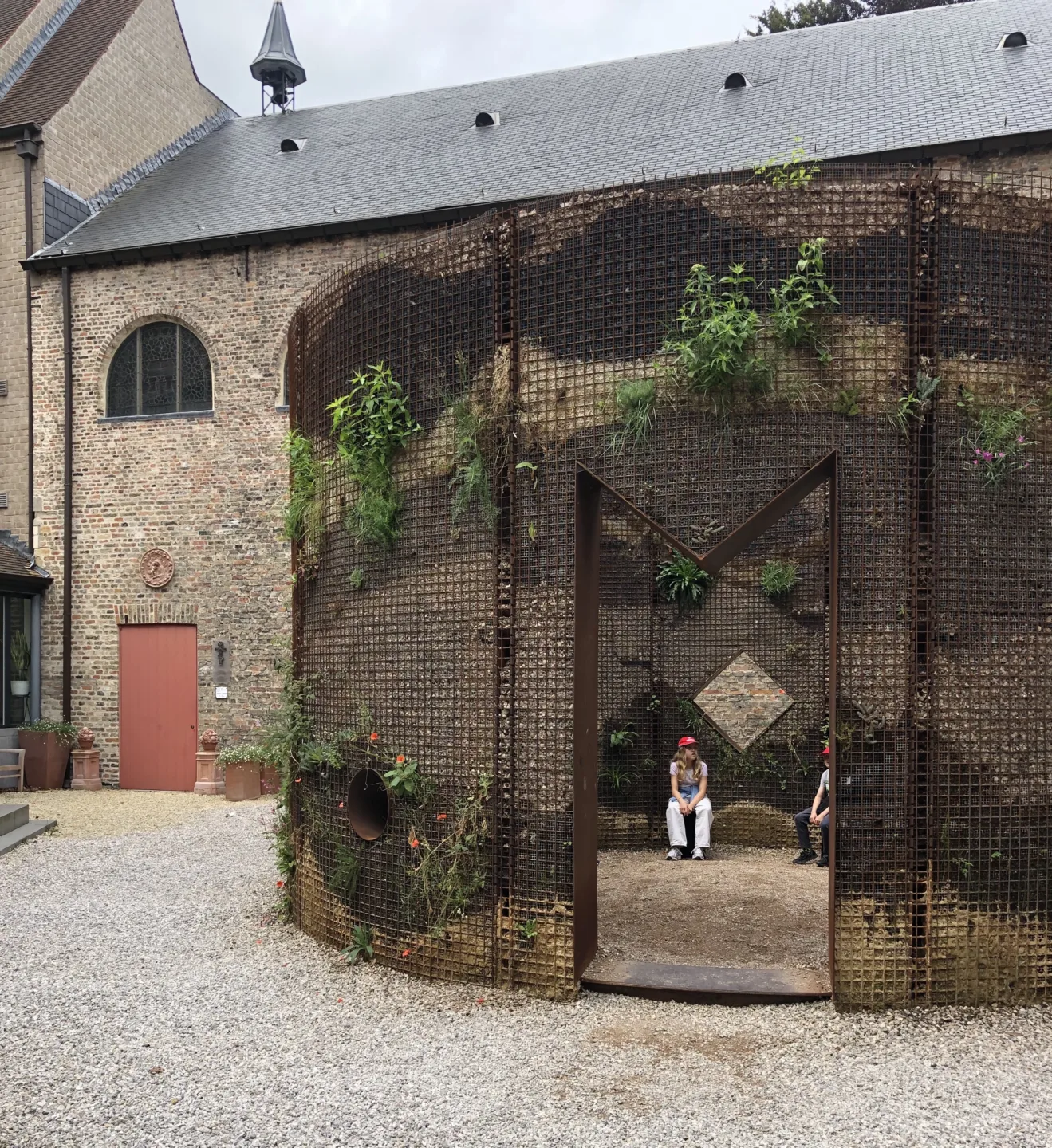
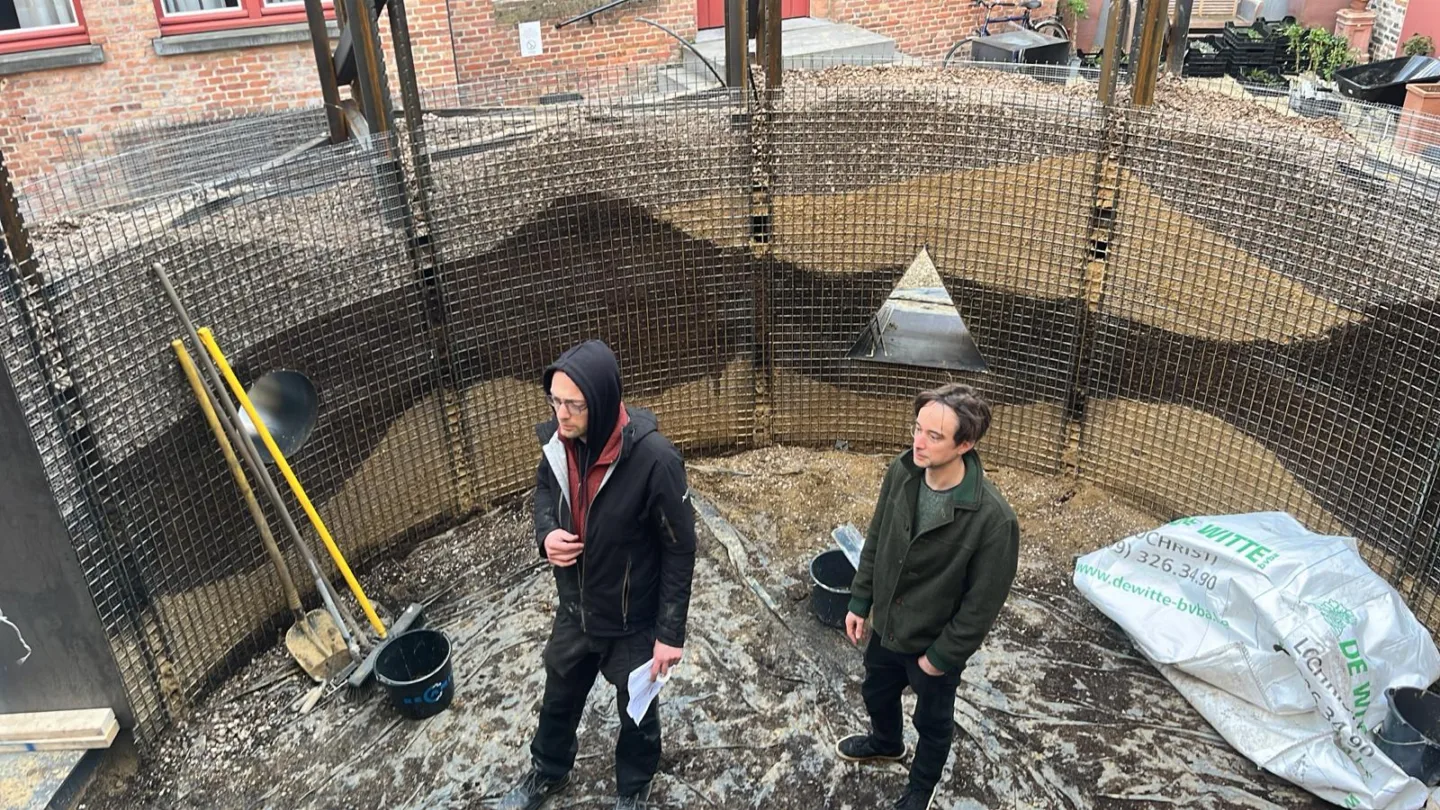
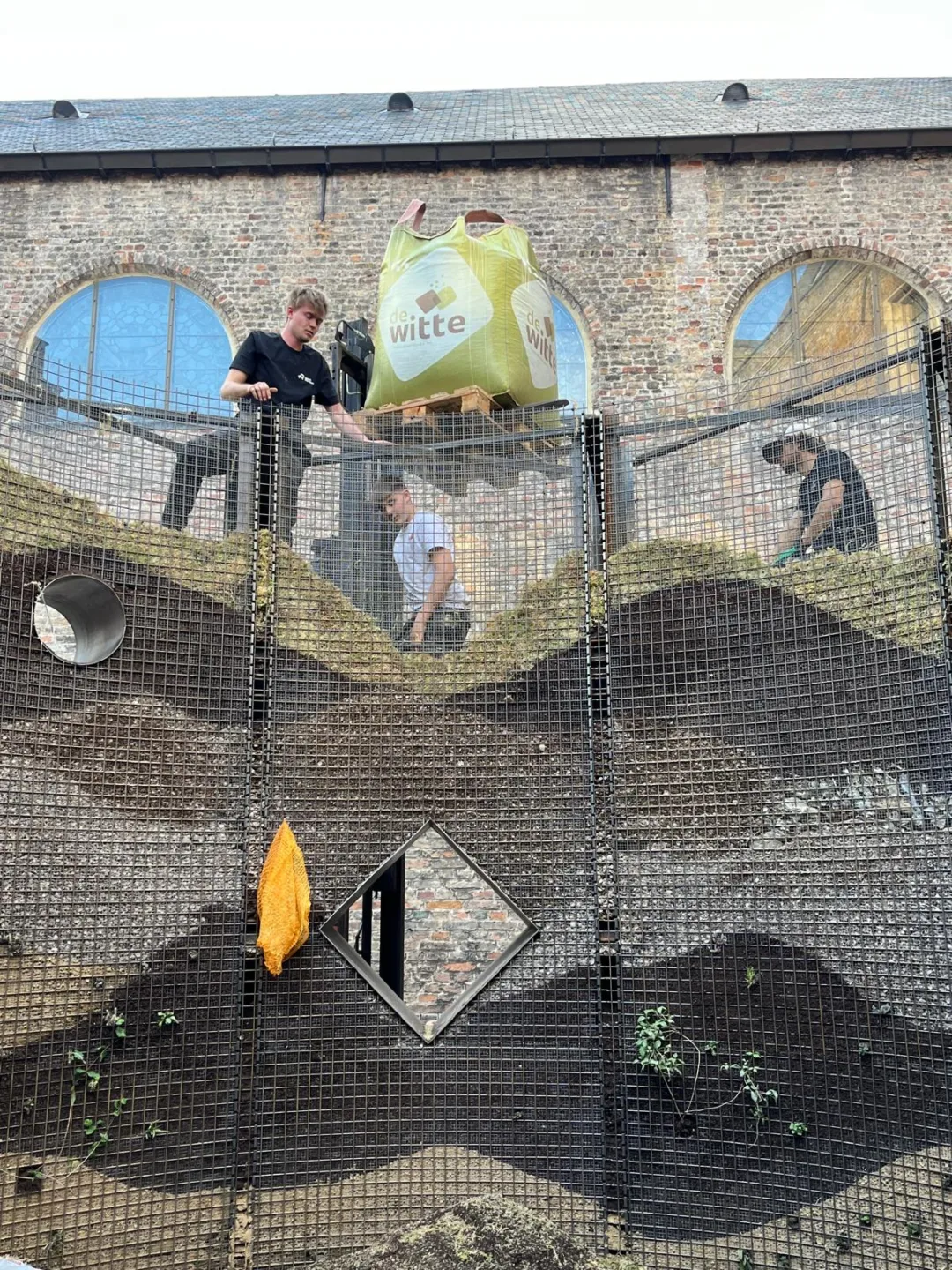
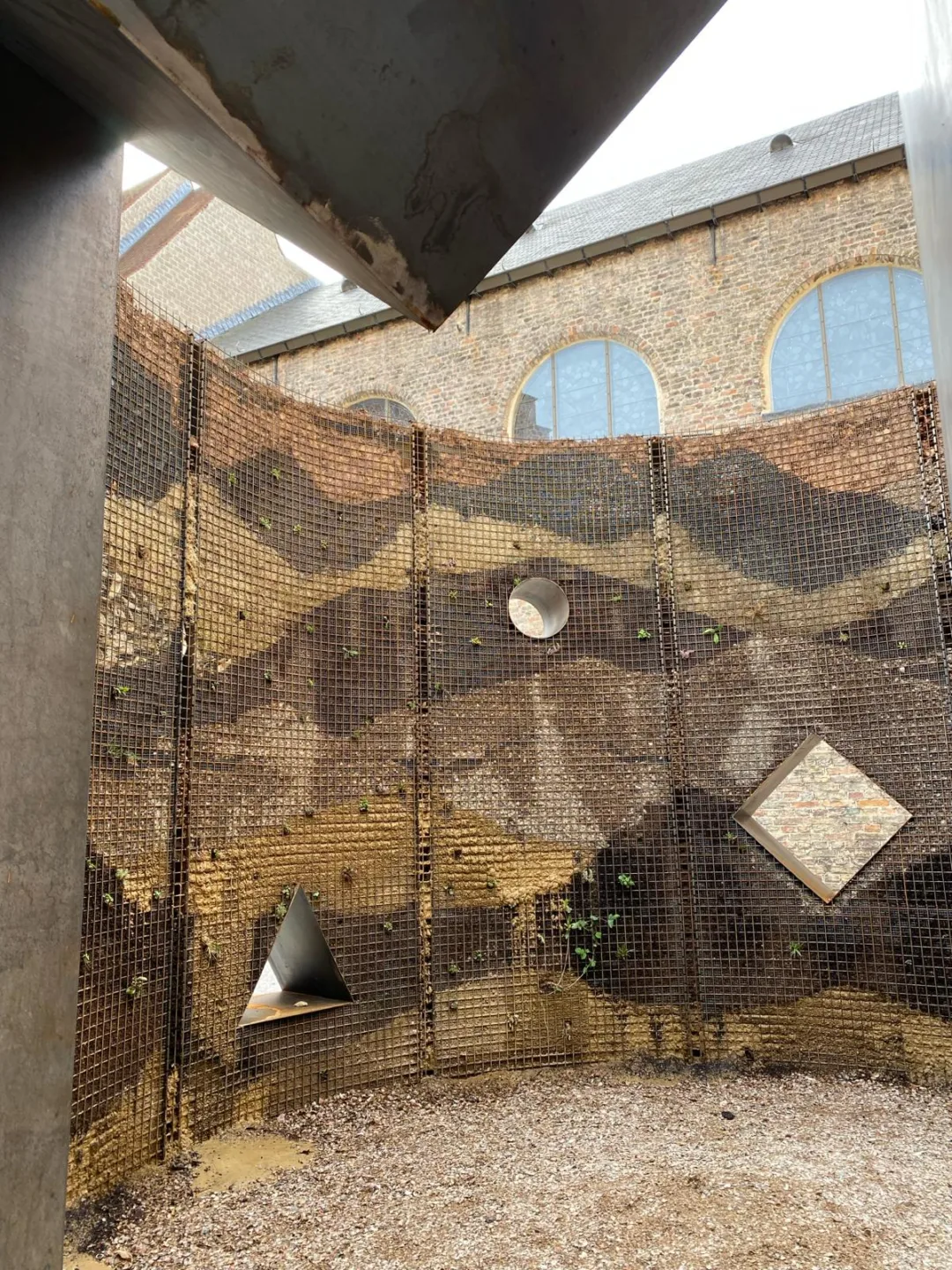
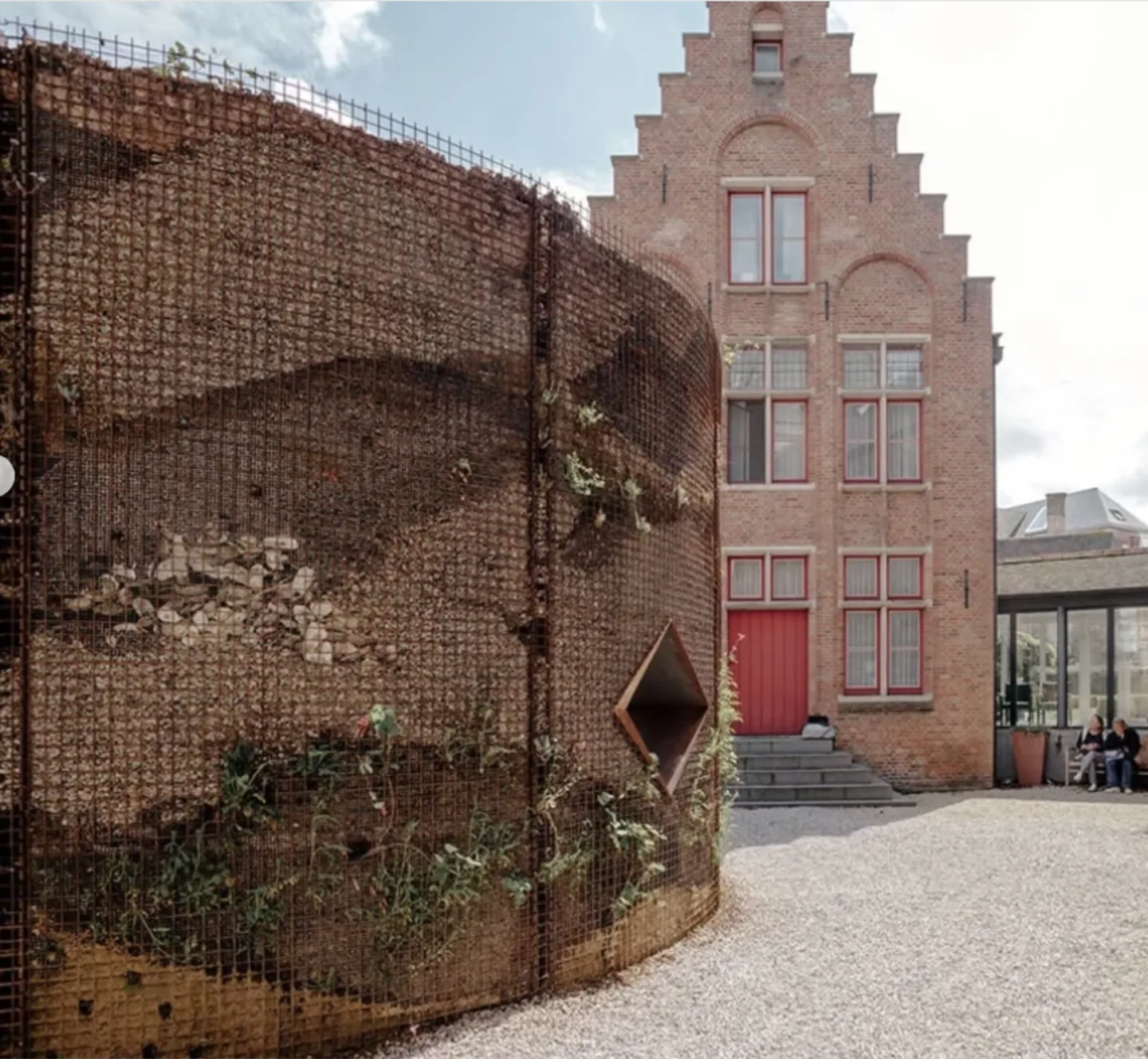
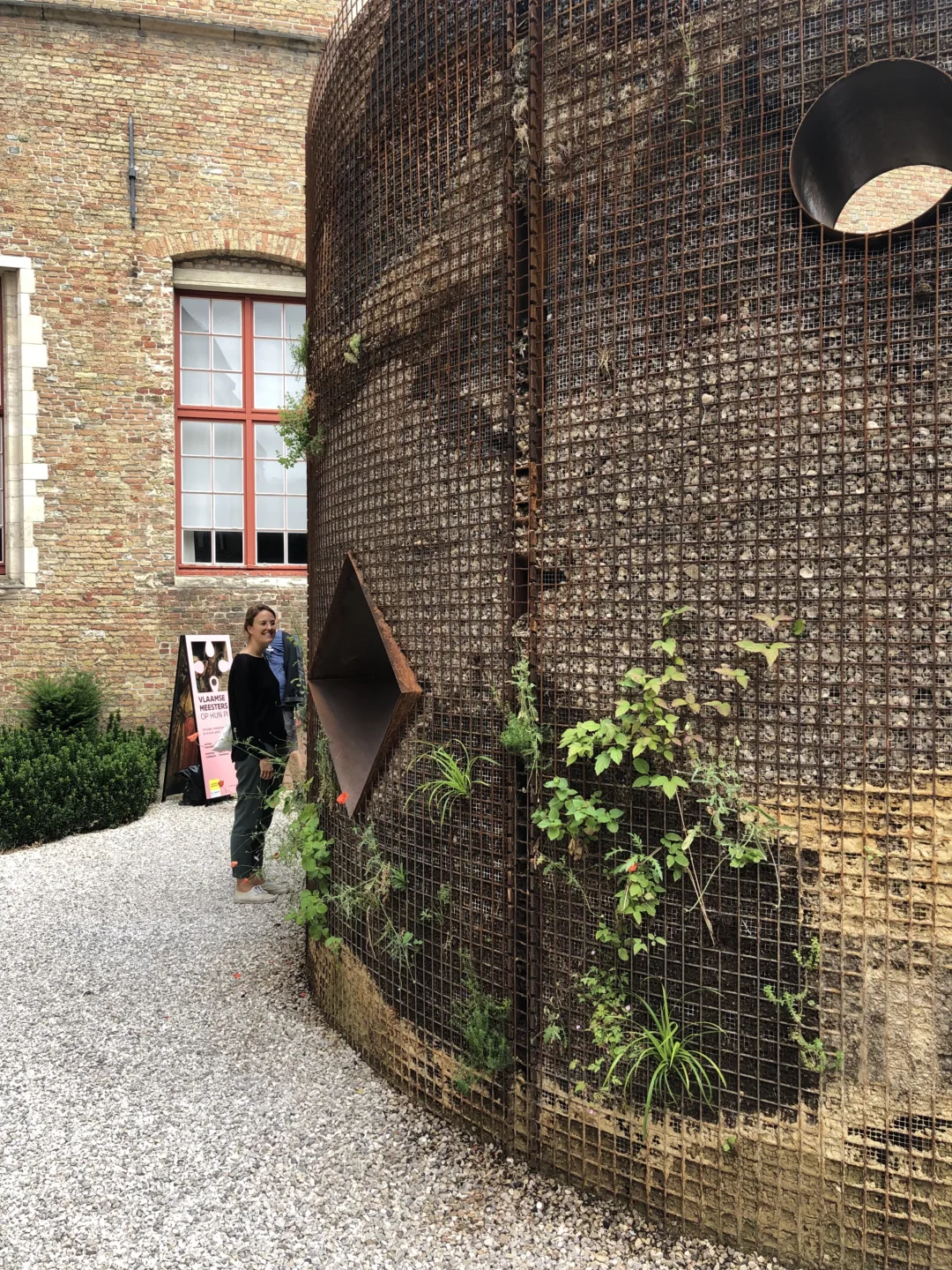
For the Bruges Triennale, Studio Ossidiana created the ‘Earth Sea Pavilion,’ an evocative installation that brings the geological and ecological stratification of the Bruges subsoil into a tangible form. A rhythmic steel framework supports successive layers of loam, peat, shells, oysters, clay, humus, and leaf litter— a sequence that not only references the region’s geological history but also serves as substrate for various biotopes, each characterized by distinct ecological traits.
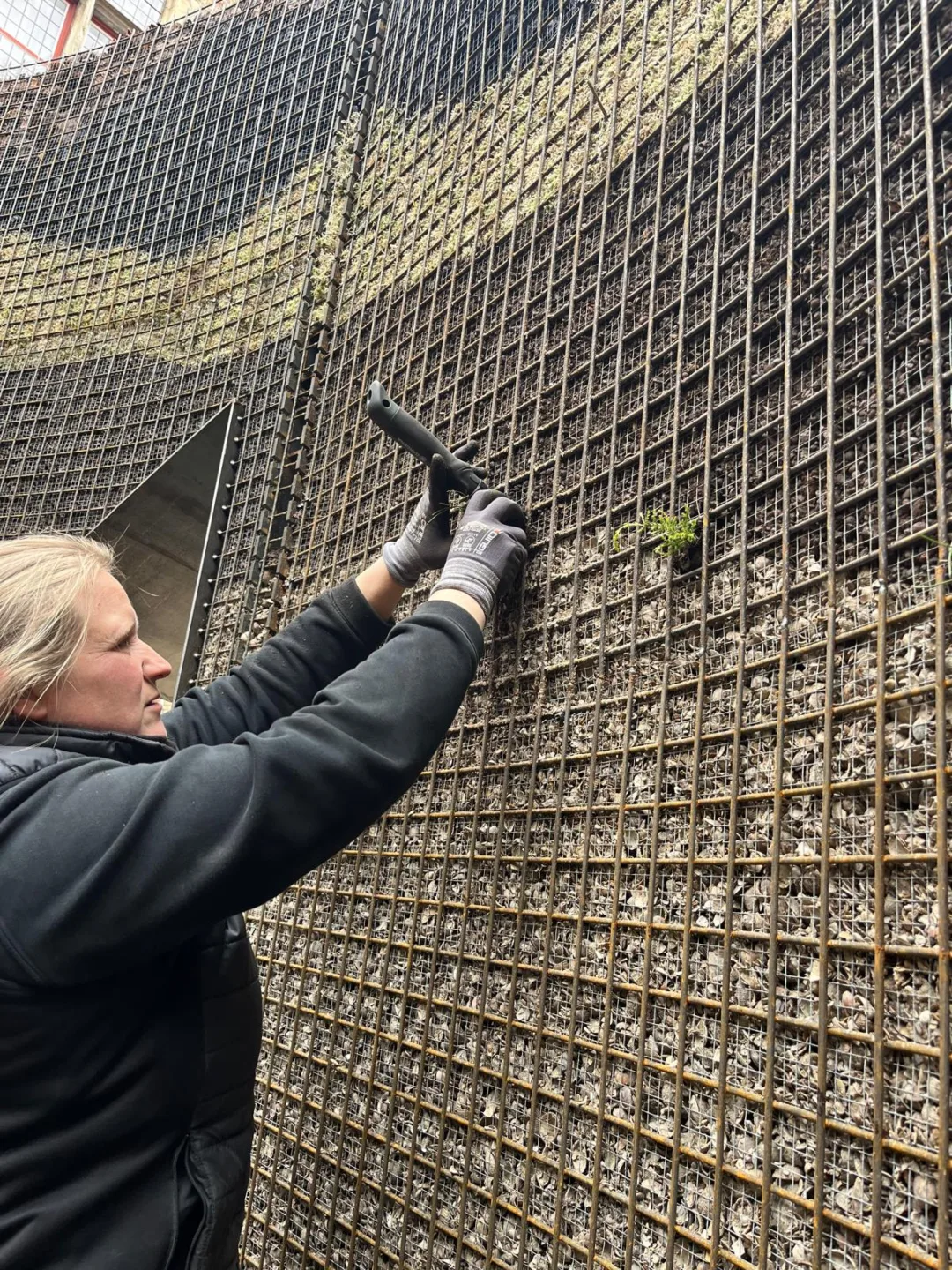
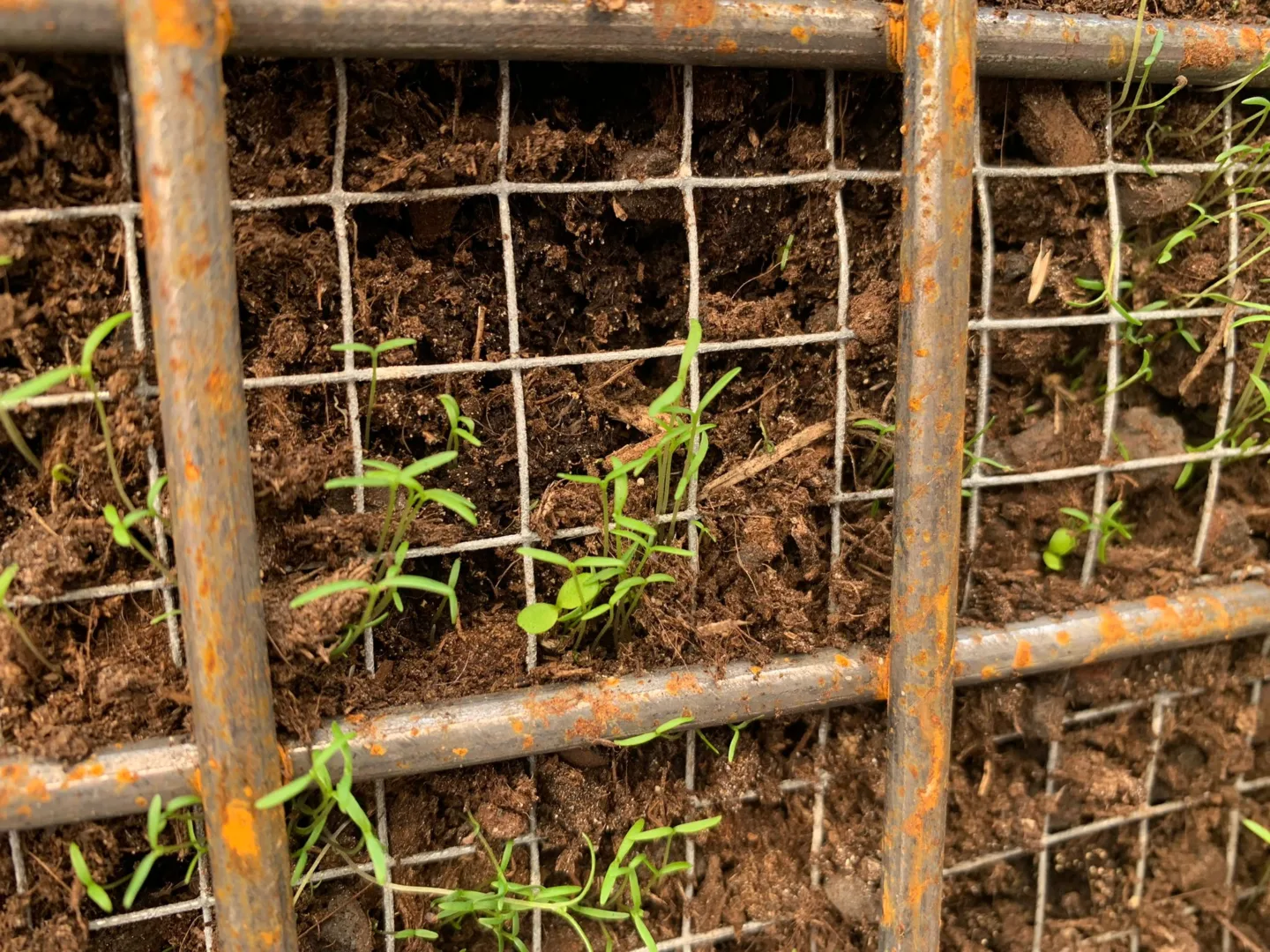
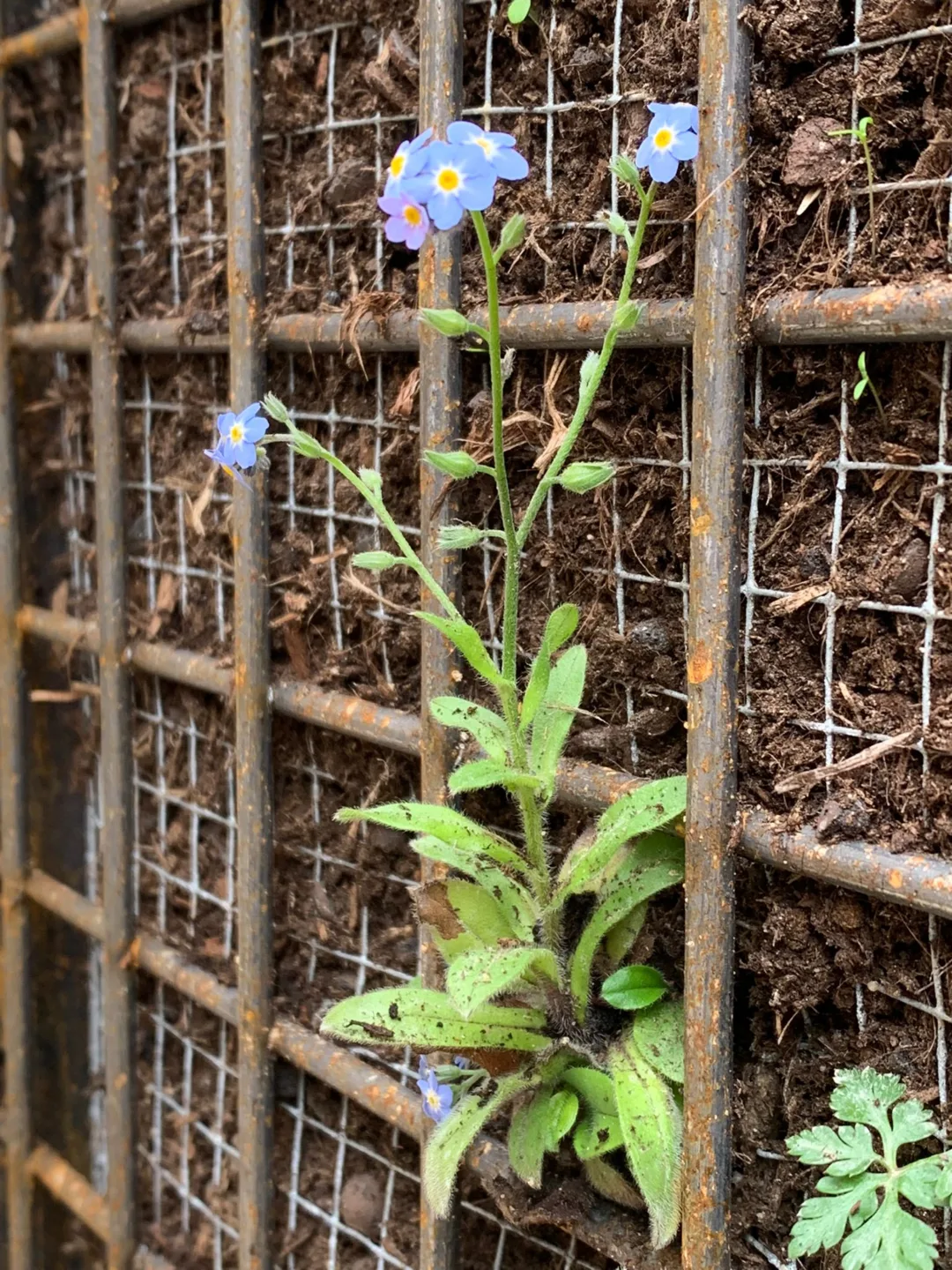
Positioned at the intersection of garden and architecture, the pavilion functions as a meeting space for humans and other life forms alike. Within this context, Plant en Houtgoed developed an integrated vegetation strategy that combined spontaneous colonization with targeted sowing and planting to foster ecological richness and spatial experience. The vegetation is closely aligned with the underlying soil types and biotopes, resulting in a dynamic, living system.
In addition to designing and implementing the planting scheme, Plant en Houtgoed was responsible for developing and installing a bespoke irrigation system, essential for supporting growth conditions within this experimental environment. The outcome is a hybrid structure where ecology, art, and urban space mutually reinforce one another, demonstrating a harmonious integration of biodiversity and public engagement.
Voor de Triënnale van Brugge realiseerde Studio Ossidiana het ‘Earth Sea Pavilion’, een intrigerende installatie waarin de geologische en ecologische gelaagdheid van de Brugse ondergrond tot leven wordt gebracht. In een ritmisch stalen frame stapelen zich bouwlagen op van leem, veen, schelpen, oesters, klei, humus en bladstrooisel – een sequentie die niet alleen verwijst naar de geologische geschiedenis van de regio, maar ook als drager fungeert voor diverse biotopen met elk hun eigen ecologische karakter.
Het paviljoen balanceert tussen tuin en architectuur en fungeert als ontmoetingsruimte voor zowel mensen als andere levensvormen. In deze context ontwikkelde Plant en Houtgoed een geïntegreerde vegetatiestrategie, waarbij zowel spontane vestiging als doelgerichte inzaaiing en beplanting aangewend werden om ecologische rijkdom en ruimtelijke beleving op te bouwen. De beplanting sluit nauw aan bij de onderliggende bodemtypes en biotopen, waardoor de installatie zich ontwikkelt tot een dynamisch, levend systeem.
Naast het ontwerp en de uitvoering van de beplanting stond Plant en Houtgoed ook in voor de ontwikkeling en installatie van een maatgericht irrigatiesysteem, essentieel om de groeiomstandigheden te ondersteunen in deze experimentele context. Het resultaat is een hybride structuur waarin ecologie, kunst en stedelijke ruimte elkaar versterken, en waar biodiversiteit en publieke beleving hand in hand gaan.