Landschapsperrons
Regional Landschap Zuid-Hageland: Integrating Ecological Quality, Regional Identity, and Recreational Experience in the Getevallei
As part of its broader strategic objectives to reinforce regional identity, ecological integrity, and recreational value, Regionaal Landschap Zuid-Hageland has identified the Getevallei as a priority area. In collaboration with Natuurpunt and the municipalities of Linter, Geetbets, Zoutleeuw, and Tienen, a series of targeted interventions are being implemented. A key focus lies on the development of landscape infrastructure along the IJzerenweg—a former railway line now functioning as an important cycling corridor through the valley.
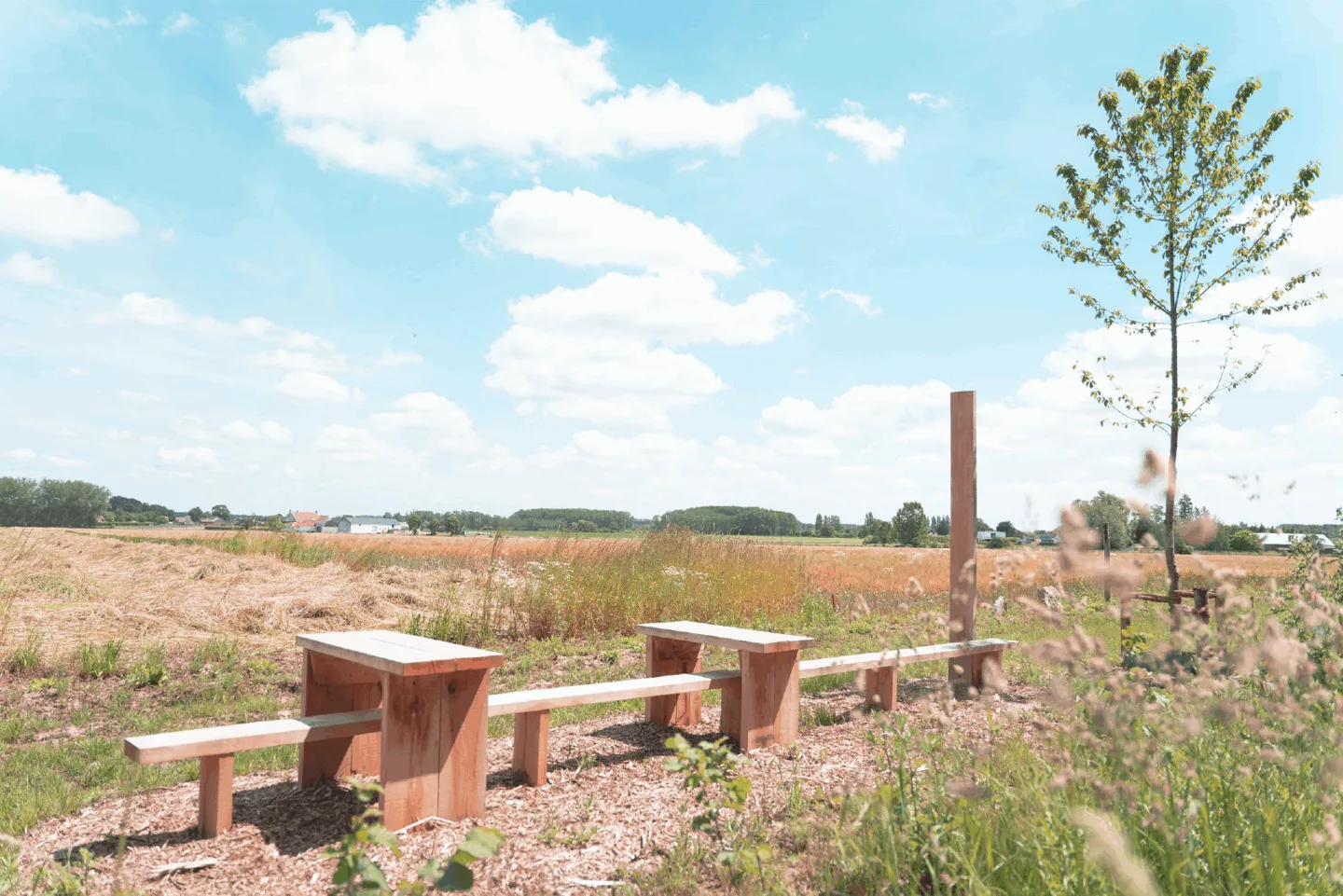
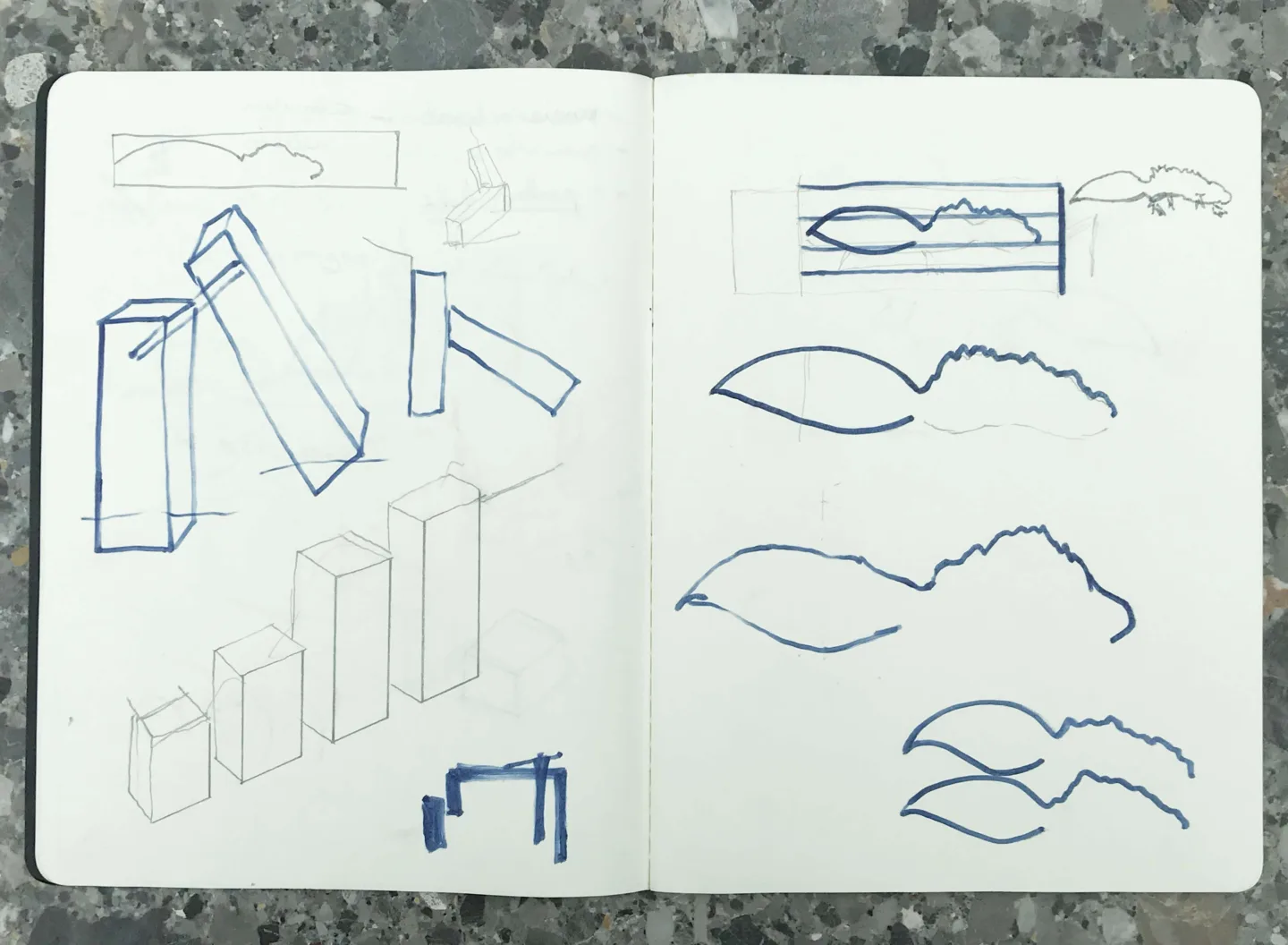
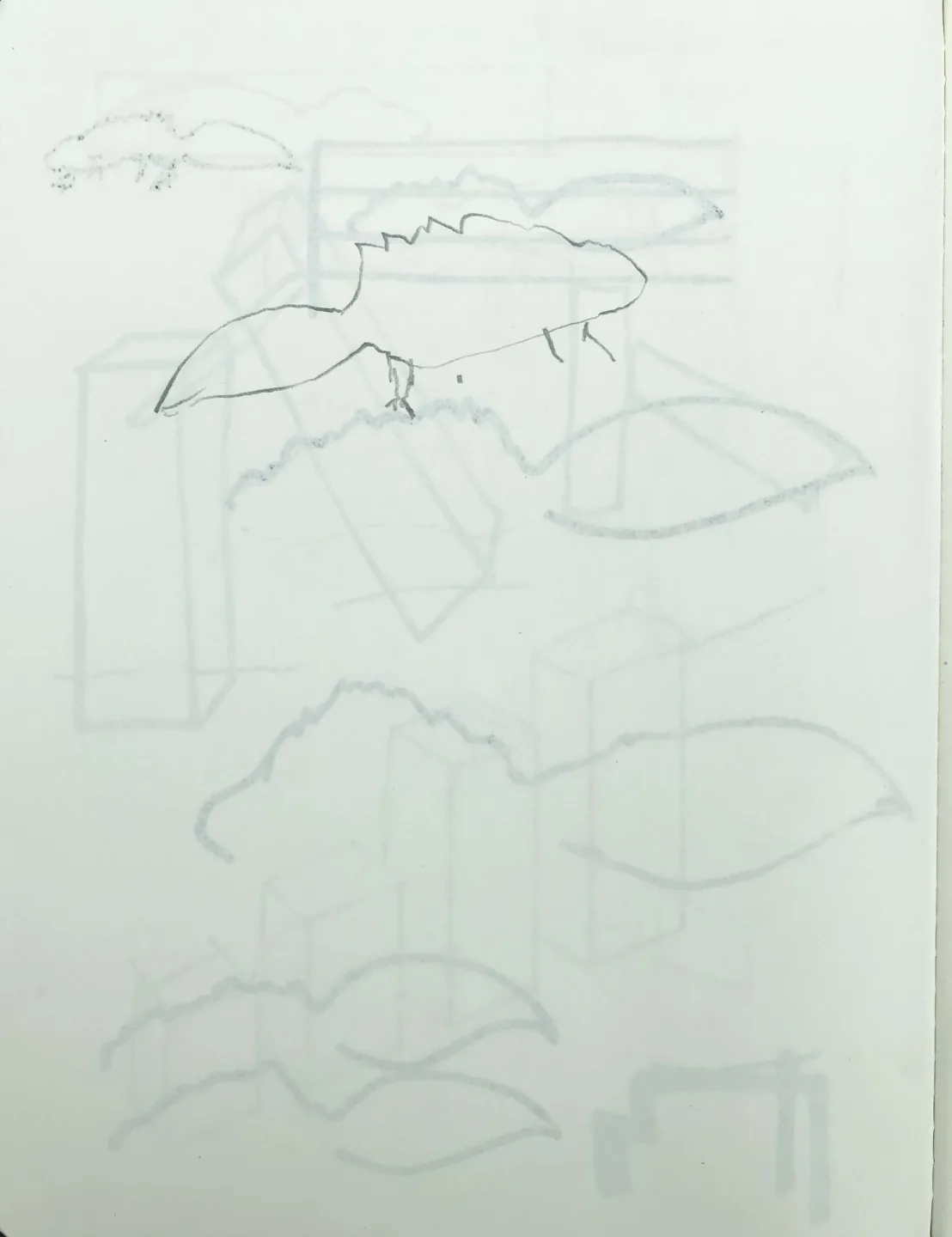
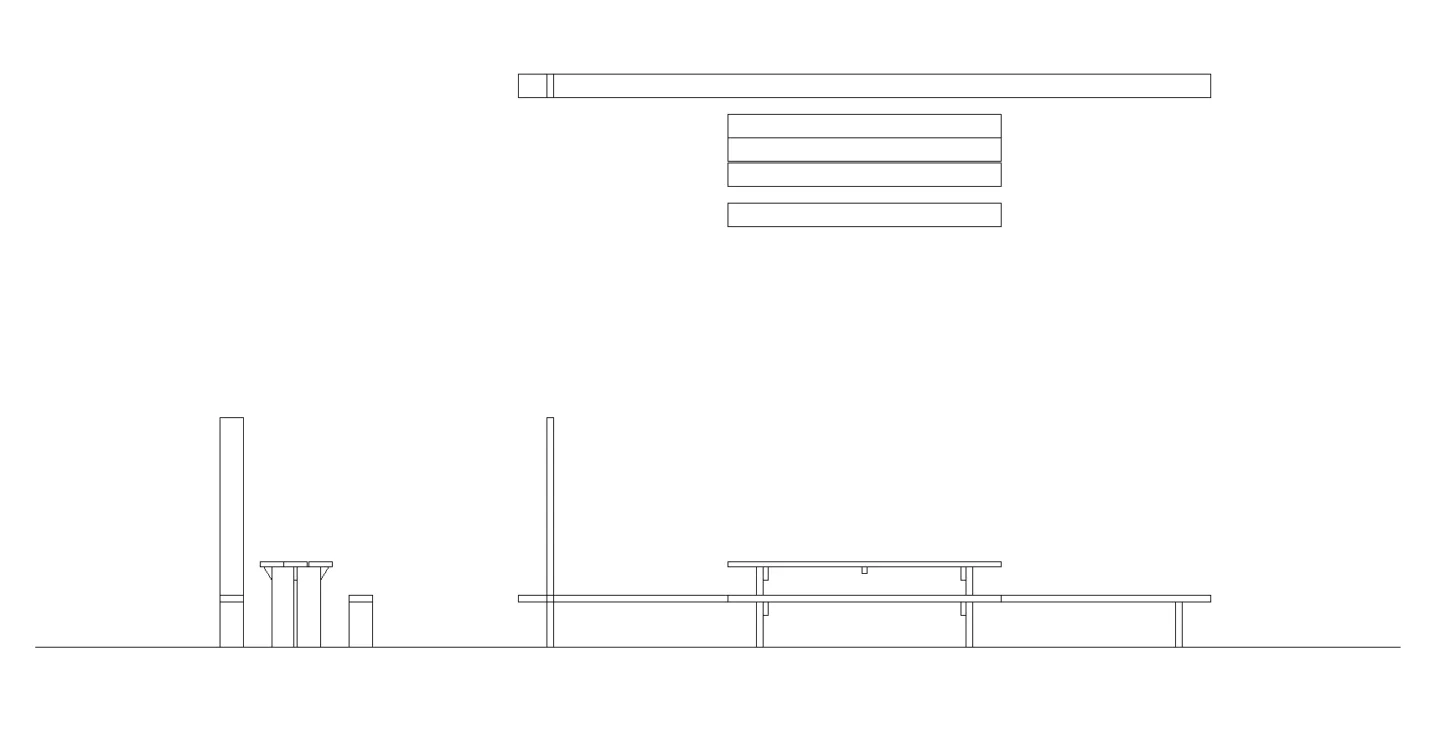
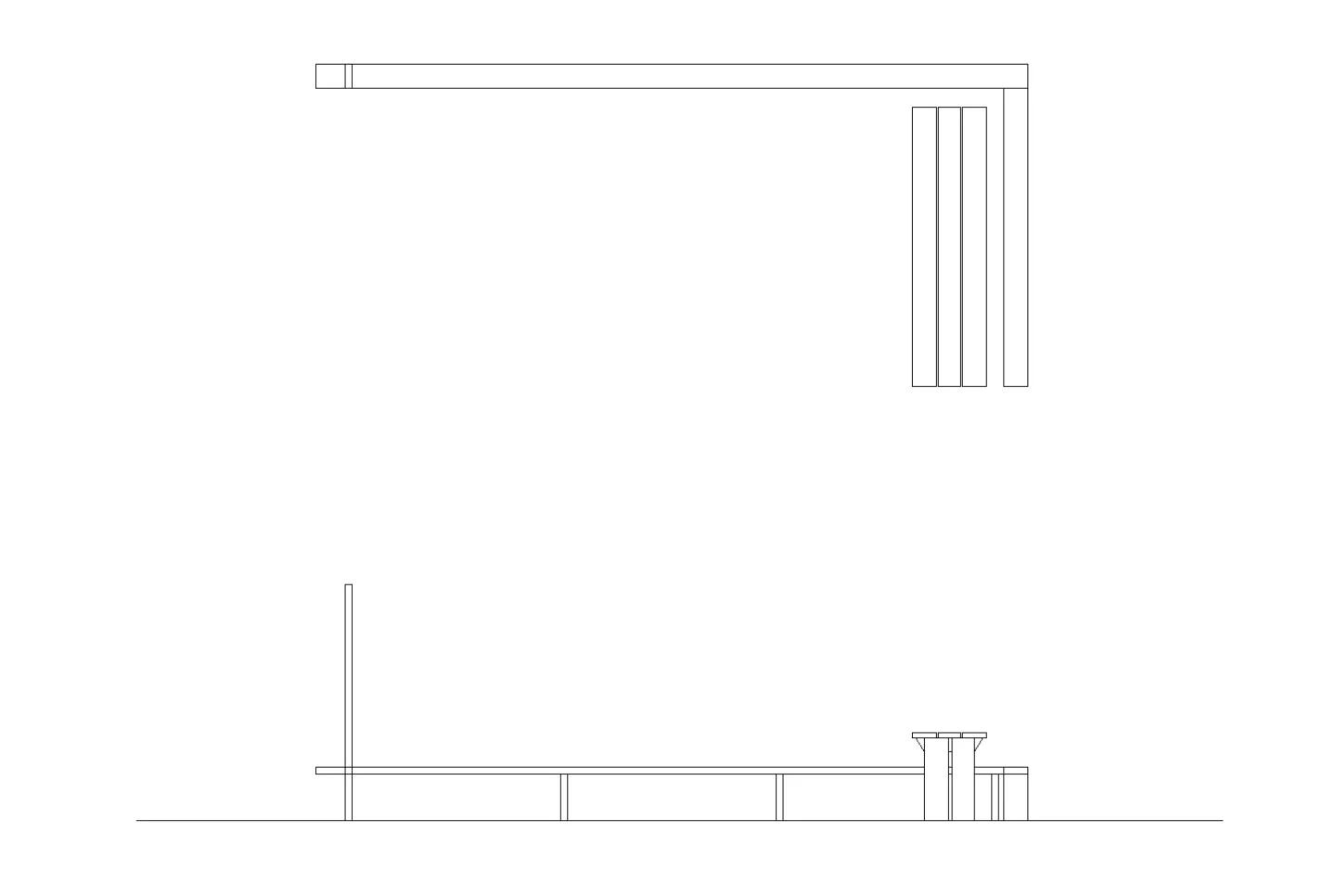
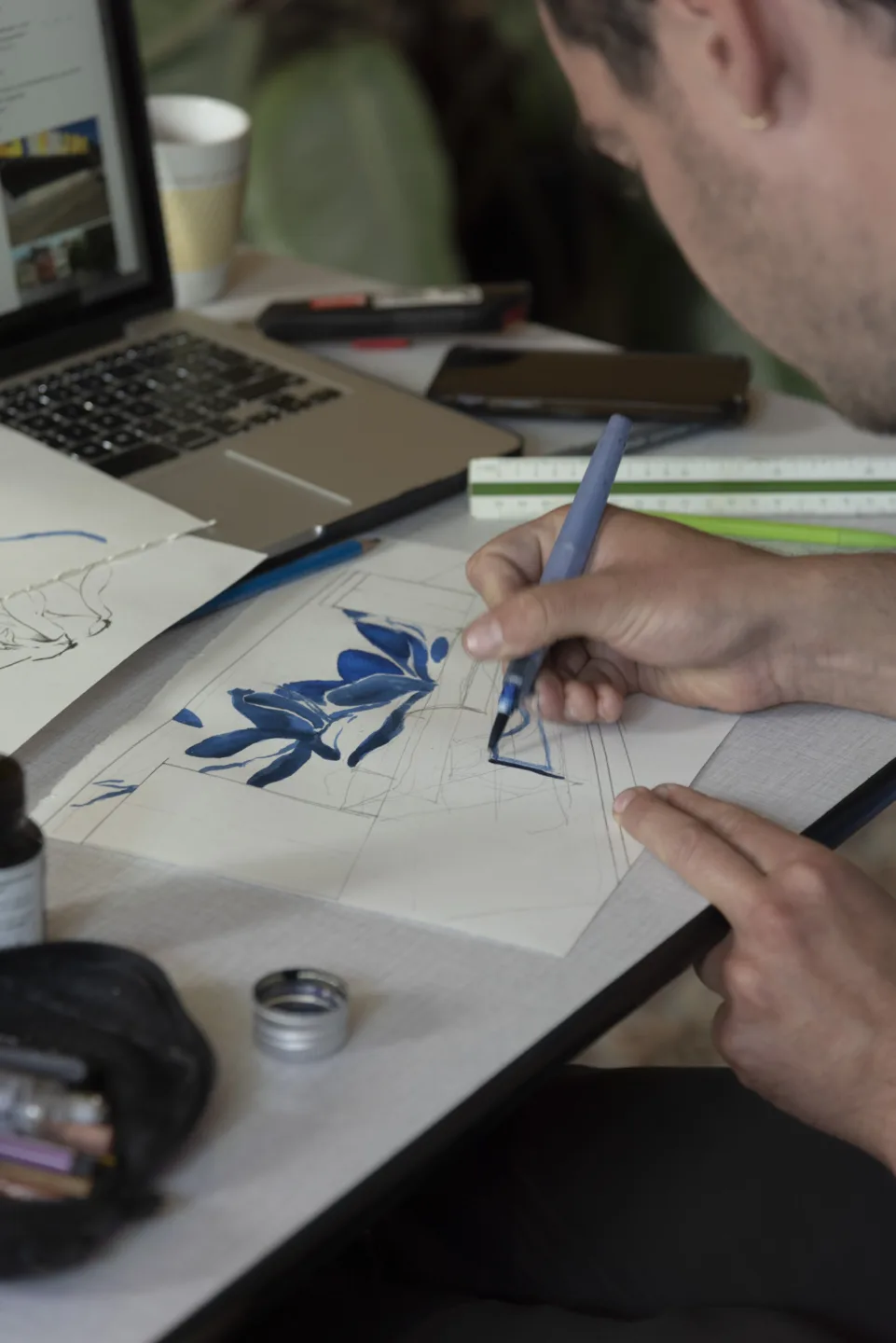
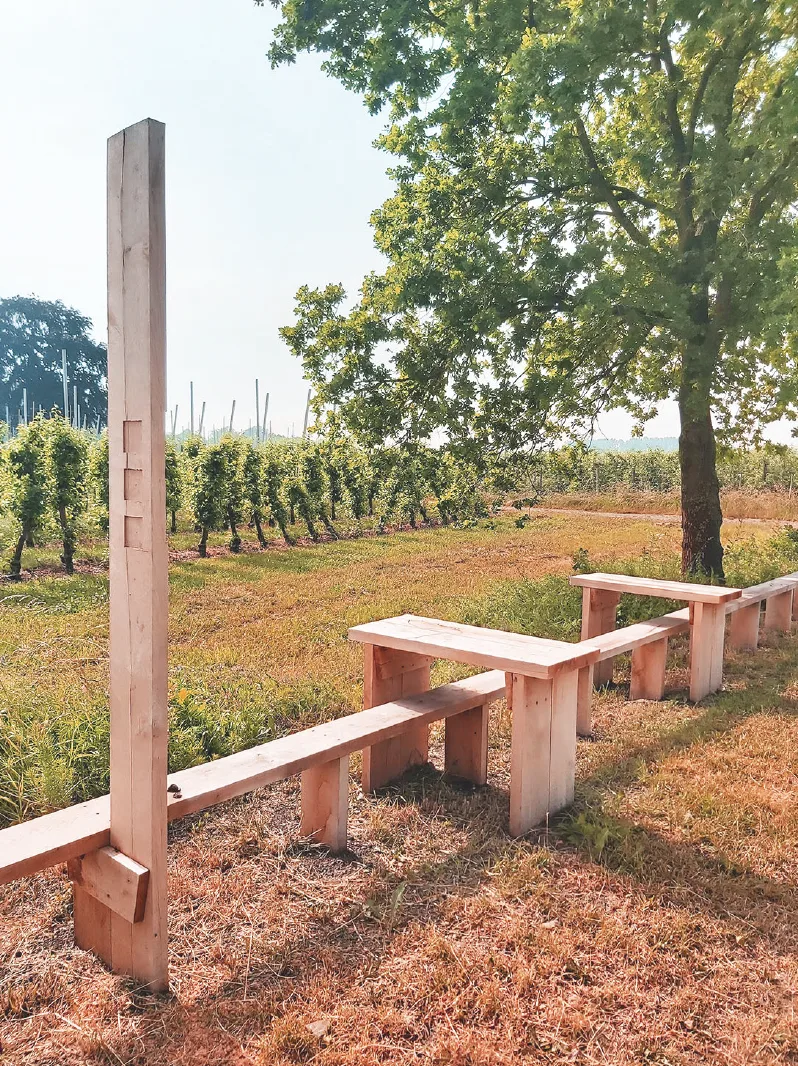
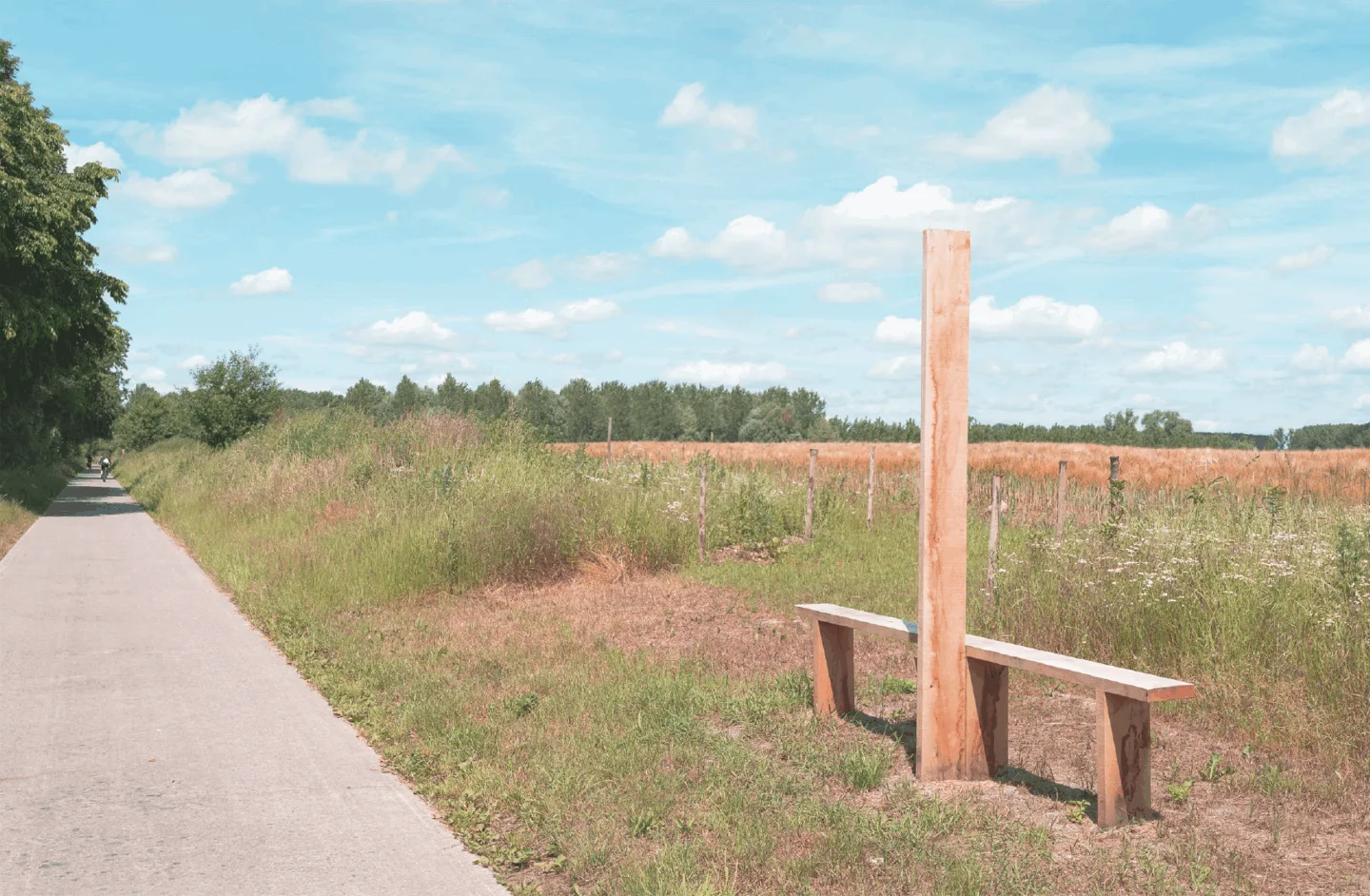
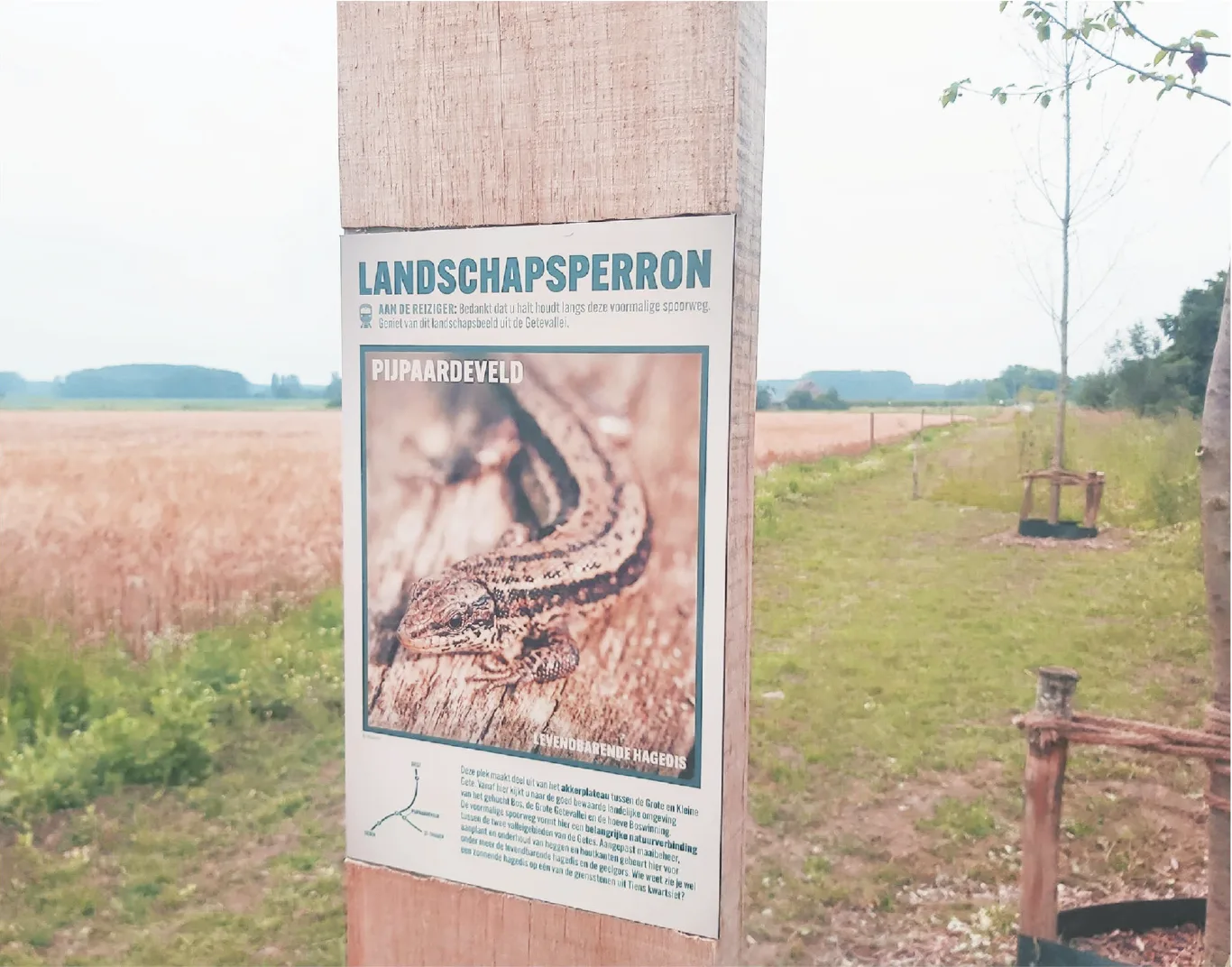
Within a design & build framework, Plant en Houtgoed has developed a series of landscape interventions that formally reference historic platform infrastructure. Each intervention is ecologically contextualized by establishing connections with emblematic species or habitats characteristic of the local environment, such as the viviparous lizard (Zootoca vivipara), Eurasian curlew (Numenius arquata), knautia (Knautia arvensis), fire salamander (Salamandra salamandra), and yellow wagtail (Motacilla flava). These species serve as bioindicators for valuable local ecosystems.
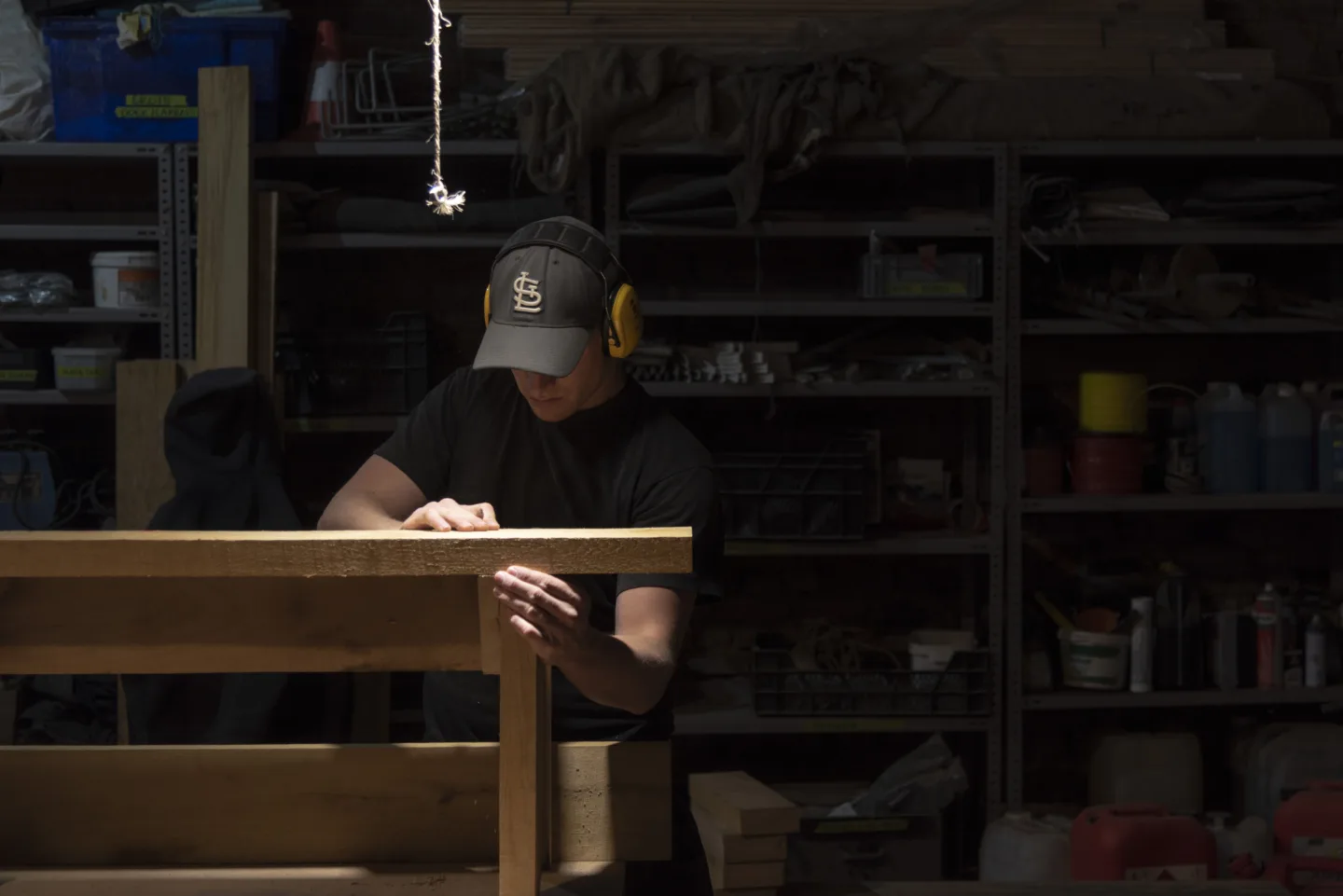
Constructed from locally sourced oak wood—chosen for its natural durability—and implemented with minimal ecological disturbance, the interventions generate modest yet meaningful spaces that subtly integrate ecological values, cultural heritage, and experiential quality.
Regionaal Landschap Zuid-Hageland zet in op de versterking van streekidentiteit, ecologische kwaliteit en recreatieve beleving. Binnen deze bredere strategie vormt de Getevallei een sleutelgebied, waar samen met Natuurpunt en de gemeenten Linter, Geetbets, Zoutleeuw en Tienen een reeks gerichte acties wordt uitgerold. Eén van de ingrepen focust op de ontwikkeling van landschapsinfrastructuur langsheen de IJzerenweg — een voormalige spoorlijn die vandaag een belangrijke fietscorridor vormt doorheen de vallei.
Plant en Houtgoed ontwikkelde binnen een design & build-traject een reeks landschappelijke ingrepen die vormelijk verwijzen naar historische perroninfrastructuur. Elke tussenkomst werd gekoppeld aan een specifieke ecologische context, door de relatie te leggen met een kenmerkende soort of habitat van de omgeving, zoals Levendbarende hagedis, Wulp, Knautia, Kamsalamander of Gele kwikstaart — indicatorsoorten voor waardevolle lokale ecosystemen.
De ingrepen werden met minimale ecologische impact gerealiseerd in lokaal gewonnen eikenhout, met een van nature hoge duurzaamheid. Het resultaat is een reeks bescheiden maar betekenisvolle plekken die ecologie, erfgoed en beleving op subtiele wijze verbinden.